You will remain on the same site
In South Africa, a Debt Consolidation Loan can help you manage your money better. It does this by combining your different debts into one easier payment. This is good for people with credit cards, store accounts, personal loans, and overdrafts. These things often make it hard to keep track of money and cause a lot of stress.
By using a strategy to lower your monthly debt, you bring your loans together into one payment. This can help employees, families, and small business owners in South Africa. A single payment is easier to manage and can help you save money each month.
This guide will help you understand what a Debt Consolidation Loan is all about. It will explain the benefits and the right time to consider consolidation. You will learn how to compare offers in South Africa, the risks involved, how to apply, and other ways to manage debt in the long run.
For those looking to organize their finances, a Debt Consolidation Loan in SA might be the answer. It lets you merge several debts into one payment, making it less stressful to manage money. Important terms related to this topic include debt consolidation SA, combine loans, reduce monthly payments, and credit management.
Key Takeaways
- A Debt Consolidation Loan can simplify payments by combining credit cards, store accounts, personal loans, and overdrafts into one monthly instalment.
- Consolidation loan lower monthly debt is most useful when a lower monthly payment improves cash flow without excessively increasing total interest cost.
- Debt consolidation SA options vary by lender; compare APR, fees, and term length before you commit.
- Suitable borrowers include salaried employees, family households, and small business owners with stable income and multiple debts.
- We will cover benefits, local considerations, risks, practical application steps, and alternatives like debt review and counselling.
What Is a Debt Consolidation Loan and How It Works
A Debt Consolidation Loan combines multiple debts into one. This is done using a personal or secured loan. The goal is to leave the borrower with just one monthly bill. This method makes it easier to handle finances and decreases the likelihood of forgetting to pay.

Loan Consolidation
Definition and core concept of a Debt Consolidation Loan
You can get a Debt Consolidation Loan without collateral, like a personal loan, or with something valuable like your car or home as security. Banks look at your earnings, spending, and credit history to figure out how much you can consolidate. Then, you pay back the new loan with a fixed interest rate over a set period.
How consolidating multiple debts into one payment simplifies finances
Merging several accounts into one means fewer payment dates and minimum amounts to remember. Having just one payment reduces paperwork and simplifies talking to lenders about any issues. It also makes it easier to budget and helps avoid late payments that can hurt your credit score.
Typical parties involved: lenders, credit bureaus, and debt counselors
Banks, specialized lenders, and online platforms offer debt consolidation in South Africa. Credit reporting agencies, like TransUnion and Experian, track payments and missed ones. This means consolidating debts influences your credit score.
Under the National Credit Act, certified debt counselors assess if consolidation fits your budget. They ensure financial assessments are done fairly. They also explain the terms clearly and guide you to free debt advice resources.
Benefits of a Consolidation Loan for Lower Monthly Payments
Putting all your balances into one loan can simplify your monthly budget. This makes it easier to manage your money each month. Choosing the right loan can lower your monthly payments and keep future costs clear.
How term length and interest rate affect monthly payments
Lengthening the loan term lowers monthly payments by spreading the cost. However, this increases the total interest paid over time.
The interest rate is crucial, too. Switching debt from a credit card at 18% to a loan at 12% reduces interest. Always compare APRs to get the real cost, considering all fees.
Improved cash flow and budgeting advantages
A single monthly payment makes budgeting simpler. It lessens the risk of missing a payment.
Consolidating loans might leave more money for daily needs or savings. An affordability calculator helps see the benefit of merging payments.
Potential credit-score benefits from on-time single instalment loan payments
Timely payments on a consolidated loan can improve your credit score. Paying off credit cards can also help by lowering your credit use.
Yet, there are downsides. A new loan can temporarily lower your score. Closing old accounts affects your credit history and mix, impacting your score in various ways. The key is finding a loan with a lower APR or a manageable term and sticking to payments.
When a Consolidation Loan Is the Right Choice for South African Borrowers
Understanding if you should consolidate debts means looking at your money and goals. A consolidation loan merges many payments into one, simplifying budgeting. It’s important to weigh your options carefully.
Signs you should consider combining loans in SA
If you’re struggling with many minimum payments, it’s a sign. A unified loan with less interest can lower your monthly stress. Missed payments and managing various due dates also suggest it’s time to consider consolidation.
Comparing consolidation versus other options like debt review or settlement
Debt review restructures your payments but marks your credit report for years. Debt settlement might lower what you owe but can damage your credit score and have extra costs.
Consolidation usually suits those with steady jobs and good credit. It lets you merge loans into a single payment without harming your credit like debt review. Choose settlement when you’re really struggling and need a quick fix.
How living costs and income stability factor into the decision
Create a budget that covers all your expenses. Remember, living costs vary across South Africa. With a reliable income, a consolidation loan can make monthly planning easier and aid in credit repair.
If your income varies or job security is a worry, consider debt counselling. Without savings, opt for a longer loan to cut monthly costs, but this increases total interest. Weigh immediate relief against long-term costs when deciding.
How to Compare Debt Consolidation Loan Offers
Finding the best Debt Consolidation Loan requires careful evaluation. Look closely at the overall expense, monthly costs, and terms that suit your budget. Compare offers methodically from various sources like banks, credit unions, and reputable South African companies.
Key loan features to compare
- APR: Get the true APR which includes all costs and fees for a fair comparison.
- Fees: Look for any setup fees, monthly charges, penalties for early loan payoff, and legal fees for loans requiring collateral.
- Repayment term: See how different loan durations impact your monthly payments and the interest you’ll pay in the end.
- Security: Know if the loan needs collateral. Secured loans may offer lower rates but can put your property at risk.
Using affordability calculators and example scenarios
Test out offers using calculators from the lender and third-party ones. Input your take-home pay, existing dues, and other monthly costs.
- Scenario A: Taking R100,000 over 36 months at 12% increases monthly payments but saves on total interest versus stretching it out.
- Scenario B: Borrowing the same amount but over 60 months at 14% means you pay less each month but more interest overall.
- Analyze different scenarios to understand how lower payments might lead to more cost over time.
Questions to ask lenders in South Africa
- Ask for the total APR, including all charges.
- Inquire about any start-up fees, monthly costs, and penalties for paying off early.
- Find out if the loan is secured or unsecured, and what collateral is needed.
- How does taking this loan affect my credit score and current credit lines?
- Are there options like payment holidays, or changes in repayment schedules if my income changes?
- Confirm if they’re registered with the National Credit Regulator and report to credit bureaus like TransUnion or Experian.
Ask for all loan details in writing and compare the total lending cost, not just the initial interest rates. Clear information assists you in deciding whether a Debt Consolidation Loan is the right step towards managing your debts responsibly in South Africa.
Risks and Drawbacks of Consolidating Debt
Consolidating debt can make it easier to manage payments and reduce monthly stress. But be careful. Sometimes, small benefits can hide big costs. Always read the details and think carefully before combining loans or looking into debt consolidation SA options.
Longer term cost when reducing monthly payments
Choosing longer loan terms can make monthly payments smaller. This feels easier at first but means you’ll pay more interest overall.
For example, owing R50,000 at 15% interest for 3 years costs way less in interest than spreading it over 6 years. Even though smaller monthly payments might seem good, they can end up costing you more in the long run. It’s important to not just go for the lowest monthly payment without thinking about the total cost and your own financial goals.
Secured vs unsecured consolidation and risk to assets
Secured loans use something valuable you own, like a car or house, to guarantee the loan. If you fail to pay, you could lose these assets. Always understand the risks and legal rights involved.
Unsecured loans don’t risk your property but usually have higher interest rates and require good credit. You’ll need to decide what’s more important: lower rates or keeping your assets safe.
Possibility of rolling high-cost debt into new high-cost loans
Some loan options just move the debt to another account with high interest and fees. This doesn’t help you save money. Watch out for predatory lenders that try to take advantage of those in a tough spot.
Always check if a lender is legit, read reviews, and get advice from the National Credit Regulator and credit bureaus before making a decision. Be cautious of scams and confusing fees.
One big risk is not changing bad spending habits. If you consolidate debt but keep overspending, you’ll end up with even more debt. This makes managing finances even harder.
Tips to mitigate risks
- Compare different deals and look at the total cost, not just the monthly payment.
- Pick a loan term that fits your budget and financial aims.
- Have some money saved for emergencies to avoid needing to borrow again suddenly.
- If paying back debt seems too hard, think about talking to a qualified debt counsellor.
- Keeping an eye on your credit and practicing good credit habits helps you avoid future problems.
Practical Steps to Lower Monthly Debt with Consolidation
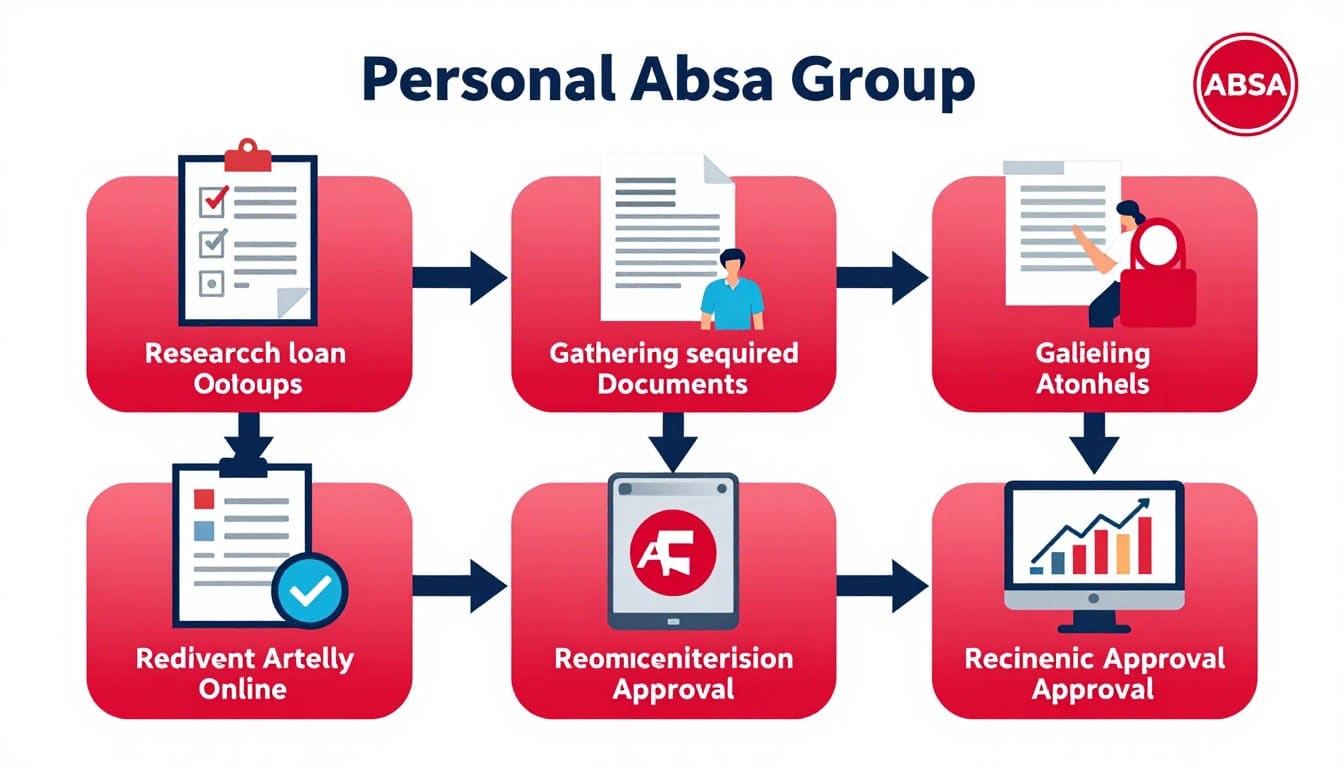
Begin by making a clear plan. Collect your payslips, bank statements, ID, and proof of where you live. Note down who you owe money to, how much, and the interest rates. Also, get your credit report from TransUnion or Experian. This helps you find any mistakes or issues that might change the deals you get.
Preparing documentation and checking your credit profile
- Make sure personal details are the same on all documents and your credit report.
- Fix any wrong info. You might want to pay off small debts to get better terms.
- When you dispute anything, save all emails or letters. Check your credit score for any updates before you apply.
Applying for a single instalment loan and negotiating terms
- Look at offers from different banks and credit groups. Compare their rates and how long you have to pay back.
- Find out the whole cost of the loan, any fees, and if you can take a break from payments or change payment dates.
- If you need to use something you own as guarantee, think carefully. Only do it if you’re sure you can pay the loan.
- Discuss fees and when to pay. Get their promises in writing and don’t sign until you understand all the costs.
Creating a repayment plan and tracking progress
- Plan your budget well. Consider your debt payment as a must-pay monthly expense to bring down what you owe.
- Set up auto-pay to keep up with your payments. This can also help your credit score improve.
- Each month, look at how much you’ve paid off, how much you’ve saved in interest, and your credit use. Celebrate your successes and adjust your budget as needed.
- Save some money for emergencies so you don’t have to use credit cards for unexpected expenses.
Alternatives and Supporting Strategies for Better Credit Management
To improve your credit, don’t just stick to one strategy. In South Africa, there are many ways to manage credit better and shield yourself from future problems. Small steps can lead you to a good combination of assistance, budgeting, and changing your behavior.
Debt counselling and debt review are regulated options under the National Credit Act. A debt counsellor checks what you can afford, suggests a new payment plan, and talks to creditors for you. While under debt review, you’re legally protected from creditors. This process will be noted on your credit record until finished.
Debt negotiation or settling might be an option if you can pay off debt in one large amount. Sometimes creditors agree to accept less money to settle accounts. This method can reduce debt fast but might hurt your credit score and could have tax or legal results.
To find trustworthy help, use the National Credit Regulator’s resources and look for counsellors certified by recognized organizations. This can help you avoid scams and ensure the counsellor is legal.
Pick a budgeting method that suits you. Consider zero-based budgeting, which gives every dollar a purpose. The envelope system helps manage extra spending. The 50/30/20 rule adjusts to South Africa’s living costs: cover needs, limit wants, and save regularly.
Creating an emergency fund can keep you from depending on credit later. Begin with saving for one month of basic expenses, then try for three months. Setting up automatic savings each payday can make saving easier.
- Try renegotiating deals like your phone and insurance to reduce regular bills.
- Simplify subscriptions and cut unnecessary ones, like multiple streaming services.
- Eat more meals at home and use public transport to cut daily costs.
After combining loans or finishing consolidation, take steps to avoid new debt. Either close or freeze credit cards you’ve paid off, if it helps your credit plans. Stick to using debit to keep spending within your funds.
Regularly check your credit reports from TransUnion and Experian. Look out for strange accounts or increasing debts to react quickly. Join financial learning events or work-based wellness programs to get better at handling money.
When thinking about debt consolidation SA, look at how each option impacts your credit and finances in the long term. Merging loans can make payments simpler, but using support strategies and smart budgeting is key to keep moving forward.
Conclusion
A Debt Consolidation Loan can make it easier to handle your monthly payments in South Africa. It combines multiple debts into one loan. This gives you a clearer view of your finances and one due date, which can help with budgeting and credit management.
When deciding, first check what you can afford. Then compare APRs and fees, and think about the risks of secured versus unsecured loans. If your income isn’t steady, also look into debt review or counselling. This can help you avoid higher costs later on.
Start by getting your credit report from TransUnion or Experian. Gather all the documents you’ll need and use calculators to see what you can afford before applying. Talk to licensed lenders or a registered debt counsellor. Also, make sure you have an emergency fund to avoid future debt.
Managing your credit wisely is key to benefiting from a debt consolidation loan. Always make payments on time and keep a close eye on your budget. Regularly check your credit reports to improve your score and keep your finances healthy in the long run.
Conteúdo criado com auxílio de Inteligência Artificial