You will remain on the same site
When you’re hit by sudden costs, an express loan can be a smart way to get cash fast. This guide shows why people in South Africa pick these loans for quick money. It also talks about what to expect, like fast approval and getting your cash quickly.
Express loans help borrowers handle emergencies by offering up to R8000. This money can go towards things like doctor’s fees, fixing your car, or bills that need to be paid now. Banks and lenders in South Africa, such as Capitec Bank and Standard Bank, offer these loans. There are also fintech companies like RainFin and other approved short-term lenders. Remember, the loan offers can change, so check the latest before you apply.
This article will spell out what an express loan is and how it works. It will cover the perks of getting your money fast, look at different short-term loan options and their costs, and explain how to apply safely. It’ll also guide you on how to read the fine print and consider other choices if you’re thinking about a small loan of R8000 or less.
In this guide, we use terms like Express Loan, quick cash, fast approval, short term loan SA, and emergency funds. These are to help you find useful and dependable info on quick loans in South Africa when you need them most.
Key Takeaways
- An express loan delivers quick cash and can cover emergency funds up to R8000.
- Fast approval helps with urgent needs like medical bills and car repairs.
- Major providers include Capitec Bank, Standard Bank, RainFin, and regulated short-term lenders.
- Compare costs and terms before choosing a short term loan SA product.
- Read the fine print and confirm a lender’s current offerings and licensing.
What is an Express Loan and how it works
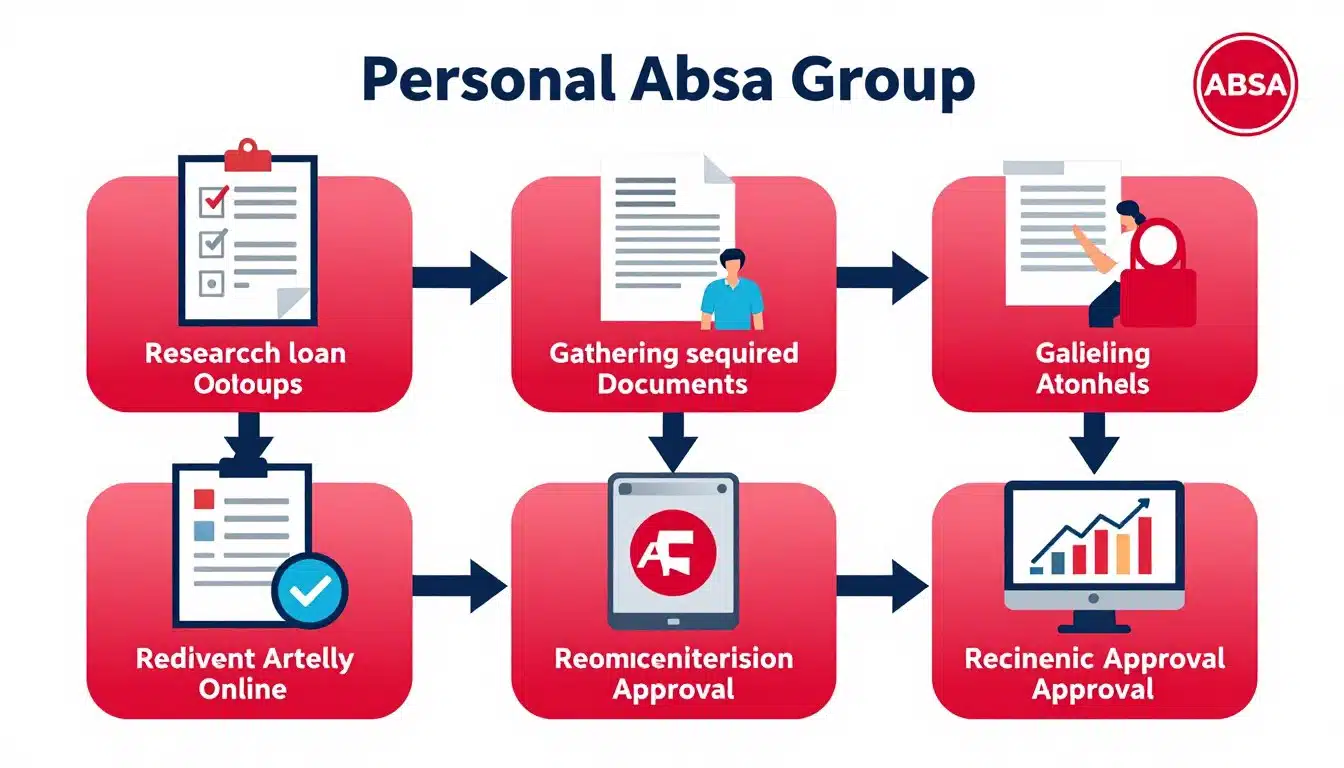
An Express Loan is fast, unsecured money for urgent needs. You apply online or by phone and checks are automated. In hours or a few days, you get the cash for immediate expenses.
Express Loan
Definition and key features of an express loan
Express loans offer small amounts and short payback times. Loans like R8000 cap at about R8,000, to be repaid in 1-6 months. They use easy online forms and phone checks. Your bank statements help decide if you can afford the loan.
You get the loan through EFT or mobile wallet. Interest is high due to quick access and short terms. In South Africa, lenders must be clear and fair under the National Credit Act.
Eligibility criteria for borrowers in South Africa
To apply, you need to live in South Africa and have a South African ID. You must show income proof with payslips or bank deposits. An active bank account and phone are needed too.
You must be at least 18. Money providers may check how much you earn. They see if you can afford the loan. Even self-employed people can apply with bank statements or SARS documents. Some lenders even work with those who have bad credit.
Application process and documentation required
The steps to apply are easy. Either do it online or in person, showing your ID and phone number. Upload your payslips or bank statements from three months back. Also, provide a utility bill for address proof. Your bank details are needed for sending and getting payments back.
You’ll allow them to check your credit and see if the loan fits your budget. If everything checks out, you might get pre-approved right away. Final okay and money transfer happen quickly, usually within one to two days.
Benefits of choosing a quick cash loan for emergencies
An Express Loan offers fast emergency funds. Digital processes speed up credit checks and verification. This means quick, sometimes instant decisions, and money within a day for those who qualify.
Delays can happen if paperwork is missing or during holidays. It’s good to know this ahead of time for a smooth process.
Speed of disbursement and fast approval
Online systems make loan approvals faster, especially for pre-approved folks. New applicants also get quicker responses than from banks.
Expect quick decisions, often on the same day, and funds within 48 hours. Have your ID and bank info ready to avoid delays.
Access to emergency funds up to R8000
A loan limit of R8000 strikes a balance between helpful support and risk for lenders. Loans range from R2000 to R8000, based on need.
Loans up to R8000 can be paid back over 1–6 months. Payments vary based on several factors, including the loan length and the borrower’s credit.
Use cases: medical bills, car repairs, urgent bills
Short-term loans like these can cover sudden medical costs, car troubles, or before your next paycheck. It’s about getting through a tough spot financially.
They also help avoid utility cut-offs, eviction, or unexpected funeral expenses. It’s important to consider the benefits versus the costs when borrowing.
- Example: borrowing R2,500 for three months. Monthly payments change with interest, yet this can prevent missed work or higher future costs.
- Example: a R6,000 repair loan over six months. Short term relief keeps the vehicle on the road while repayments remain predictable.
Before getting an Express Loan, look at other options like savings or family help. Quick loans offer fast money, but be sure to check you can pay it back and understand all terms.
Comparing short term loan SA options and small loan R8000 products
Picking between short term loans in SA and small loans of R8000 is a balancing act of cost versus quickness. An Express Loan or quick cash loan can be a lifesaver during an emergency. But, fees and interest add up fast, changing what you end up paying back. Always read the all the details carefully and compare the overall cost, not just the initial rate offered.
Typical interest rates and fees to expect
Quick cash loans generally have higher interest rates and fees than long-term personal loans. You’ll find initiation fees and monthly service fees on top of interest. These can include a one-time fee of R200–R500, monthly fees ranging from R50–R200, and extra fees for late payments. The annual percentage rates (APRs) for these short-term options are often much higher once all the fees are counted.
Repayment terms and affordability considerations
The repayment schedule for express loans might span from a few weeks to six months. Having a shorter repayment period reduces the total interest but increases your monthly payments. Lenders have to check if you can afford the loan under the National Credit Act rules. Make sure to calculate your monthly payments and ensure they fit into your budget.
- Income — list net pay and other income sources.
- Essential expenses — rent, utilities, groceries, transport.
- Outstanding debts — loans, credit cards, store accounts.
- Discretionary spending — subscriptions and non-essentials.
- Repayment shock — the extra amount you’d need if terms shorten or a rollover is applied.
Rollovers or extending your loan can be tempting. Some payday loans let you delay payment for a fee. This can significantly raise the total you owe and lead to a debt cycle.
Licensed lenders vs. payday-type providers
Licensed lenders include banks, official micro-lenders, and fintech companies under the NCA. They have to check if loans are affordable for you, clearly state all interest and fees, and are monitored by the National Credit Regulator. On the other hand, some payday loan providers don’t do proper checks and have hidden fees. These unlicensed lenders might use tough collection tactics and not follow FSCA rules.
Before taking a small loan of R8000 or an Express Loan, check if the lender is registered with the National Credit Regulator. Also, look closely at the lender’s terms. Choose lenders that are open and have good reviews from customers to assess their service and honesty.
How to apply safely and avoid common mistakes
When applying for a quick cash loan, proceed with caution. Always do basic checks before sending your application. This process lowers risks and safeguards your finances during emergencies.
Checking lender credentials and FSC/PAIA compliance
Start by verifying the lender’s credentials. Make sure they are registered with the National Credit Regulator and check their licensing. Look for a physical address and phone number on their website. Also, ensure their terms are clearly stated. It’s crucial to confirm their compliance with the Financial Sector Conduct Authority. Always ask for information on how they handle your personal data.
Ensure you give written consent for any credit checks. Ask detailed questions about the management of your personal information.
Understanding the total cost and fine print
Never skip reading the fine print. Understand if the interest rate will stay the same or change. List all costs like initiation fees and penalties. To figure out the total cost, add up the principal, all fees, and interest. This sum is what you will pay back in total. Divide this by how many months you will pay to see your monthly cost.
Ask for a clear repayment plan. This should show monthly payments for loans, even small ones.
Practical checks and red flags
- Evaluate several offers to determine their value and if you can afford them.
- Look at customer reviews from trustworthy sources to hear about others’ experiences.
- Be cautious of terms about rollovers, tough collections, credit reporting, and lost discounts for early payments.
Alternatives to quick cash loans and when to choose them
It’s wise to consider other options before going for an Express Loan. If you have savings, it’s better to use them. Or, you could ask friends or family for a short loan. It’s also possible to work out payment plans with the people you owe money to. Sometimes, using a credit card or overdraft is cheaper in the long run.
For bigger financial needs, a long-term personal loan could be more affordable than short-term borrowing.
When a quick cash loan may be appropriate
A quick cash loan is a last resort. Use it for emergencies that can’t wait, like urgent medical needs or repairs that are critical for your income. Always check the lender is legitimate and that you can afford to pay the loan back. Weigh the total costs and how it will affect your credit over time.
If you’re often taking out short-term loans, it might be time to get advice from a non-profit credit counselor to sort out financial issues.
Conclusion
Express loans offer quick cash, up to R8000, for South Africans in urgent need. These are great for emergencies, like unexpected medical bills or car fixes. But, they come with higher costs and shorter payback periods than normal loans.
When thinking about a short term loan in SA, make sure the lender is approved by the National Credit Regulator. Look closely at all costs, including interest and fees. Also, understand the repayment plan well, check if you can afford it, and keep a written agreement to prevent any problems.
Try other options like using an overdraft, getting a small loan from a bank, or using savings if you can. Only use express loans for real needs, borrow just what you can return on time, and aim to save a little for emergencies. This can help you depend less on costly short-term loans in the future.
Conteúdo criado com auxílio de Inteligência Artificial