Anúncios
A college student in Ireland? Want a credit card that fits your lifestyle?
You will remain on the same site
Choosing the right student card in Ireland can shave weeks of stress from term life. This guide explains how a student-focused card with amenities blends banking basics and real-world perks to match campus routines and tight budgets.
We cover student banking Ireland options, from bank-issued accounts to fintech offerings, and show how student perks Ireland—like transport discounts and retail deals—fit into everyday spending. The aim is practical: compare features, eligibility, security, and usage so you can pick a student card Ireland that works for study and life.
Whether you are an undergraduate at Trinity College Dublin, a postgraduate at University College Cork, or an international student arriving in Dublin, this article highlights campus card benefits and money-saving strategies you can use from day one.
Key Takeaways
- Student-focused card with amenities combines banking tools and lifestyle discounts to ease student budgets.
- Student card Ireland options include traditional banks and modern fintech providers with distinct perks.
- Look for cards that link with transport systems and campus services for seamless daily use.
- Security, low fees, and mobile budgeting are core elements of effective student banking Ireland.
- This guide will help you compare features and apply confidently for the right student card.
The Bank of Ireland Credit Card Spectrum: A Feature-by-Feature Guide
Bank of Ireland (BOI) provides a differentiated portfolio of Visa Credit Cards tailored to various consumer segments in the Irish market. While all cards adhere to general credit card regulations (like the up to 56 days interest-free credit on purchases), their core value lies in how they structure fees, interest rates, and rewards.
This informative guide details the four primary BOI cards: Classic, Student, Platinum, and Aer Visa, helping you understand their specific financial mechanics.
Comparative Summary of Key Financial Variables
| Card Category | Annual Bank Fee | Standard Purchase Interest Rate (APR Representative) | Non-Euro FX Fee | Key Financial Offering |
|---|---|---|---|---|
| Classic | None | Highest (e.g., $\approx 16.12\%$ variable) | $\approx 2.25\%$ | Flexibility via 0% introductory offers. |
| Student | None | High (e.g., $\approx 14.54\%$ variable) | $\approx 2.25\%$ | Controlled low credit limit for entry-level users. |
| Platinum | Yes ($\approx €76.18$) | Lowest (e.g., $\approx 13.79\%$ variable) | $\approx 2.25\%$ | Lowest long-term APR for carrying a balance. |
| Aer Visa | Monthly Fee ($\approx €6.50$) | Moderate (e.g., $\approx 14.00\%$ variable) | $\approx 2.25\%$ | Rewards ecosystem (Avios, Insurance) for frequent travellers. |
| Note: All cards are subject to the annual Government Stamp Duty of $\mathbf{€30}$ and the specified Cross Border Handling Fee for non-Euro transactions. |
Detailed Card Profiles
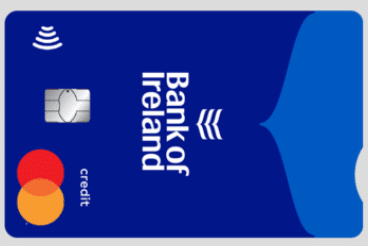
1. Bank of Ireland Classic Credit Card
The Classic card serves as the foundational, fee-free option for the general customer base.
Classic
- Primary Benefit: The Classic card is highly attractive due to its introductory offers. New customers can typically choose a period of $\mathbf{0\%}$ fixed interest on either new purchases or balance transfers (moving debt from another provider).
- Best Suited For: Individuals seeking to consolidate high-interest debt or finance a major purchase over the short term (during the 0% period).
- Warning: After the introductory period, the standard interest rate is the highest in the standard BOI range, making it expensive if a balance is maintained long-term.
2. Bank of Ireland Student Credit Card
This card is exclusively designed to facilitate student life and responsible credit education.
- Credit Limit Control: Limits are kept low (e.g., $\mathbf{\in [€600, €1,000]}$) to manage risk for first-time credit users.
- Primary Benefit: It offers a $\mathbf{0\%}$ introductory purchase rate for the initial 6 months, offering budget relief during key student periods.
- Best Suited For: Full-time third-level students needing a tool for emergencies, online transactions, and establishing a credit file.
3. Bank of Ireland Platinum Credit Card
The Platinum card targets high-spending clients who value long-term financial efficiency.
- Primary Benefit: The inclusion of an annual fee ($\approx €76.18$) is compensated by offering the lowest standard purchase APR in the BOI portfolio.
- Best Suited For: Customers who have an established income and often maintain a revolving balance on their card, as the lower APR minimises the cost of interest charges over the year.
- Value Assessment: This card only provides financial value if the interest saved due to the lower APR is greater than the annual fee.
4. Bank of Ireland Aer Visa Card
The Aer Card, issued in partnership with Aer Lingus, transforms spending into travel value.
- Fee Structure: Instead of an annual lump sum, this card incurs a monthly account fee ($\approx €6.50$), which effectively covers the cost of the bundled rewards.
- Primary Benefit: Users earn Avios points on purchases and gain access to travel privileges, notably worldwide family multi-trip travel insurance, lounge passes, and the potential for reward flights upon reaching a high annual spend threshold.
- Value Assessment: This card is essential for frequent travellers, particularly those who regularly use Aer Lingus and would otherwise pay for annual travel insurance and the associated perks. For non-travellers, the monthly fee is rarely justified.
Why Irish Students Need a Dedicated Card
A dedicated student card can ease day-to-day finances while facing rising costs across Ireland. Recent Central Statistics Office (CSO) inflation figures show rent and grocery prices climbing, with Dublin seeing the sharpest increases. University student union surveys and campus reports highlight tight student budgets Ireland and growing pressure from unexpected bills, textbooks, and travel between home and campus.
Cost of living and student budgets in Ireland
Rent remains the largest slice of monthly spending. In Dublin, student accommodation often ranges from €600 to €1,200 per month for shared rooms and private studios. In Galway, Cork, and Limerick, students typically see lower rents, near €450 to €800 depending on location and season. Utility and grocery costs add roughly €150–€300 monthly, pushing many student budgets Ireland to their limits.
Inflation has raised the price of essentials, which increases overall student expenses Ireland. CSO data combined with student union snapshots show that even small rises in energy or food prices affect those on tight budgets more than any other group.
Common student spending categories: groceries, travel, study materials
Most students divide spending into clear categories: rent and board, groceries, transport, study materials, social life, and mobile or utility bills. Groceries and utilities usually take €100–€250 monthly. Transport costs depend on distance and frequency. Using student Leap cards, monthly passes, or discounted rail fares can reduce commuter costs.
Course materials and printing can spike at term start, adding €50–€200 some months. Social activities and occasional travel home create additional variability in student expenses Ireland that can strain savings.
How a student-focused card can simplify money management
A student-focused card helps with student money management by offering clear, consolidated records and automated categories for groceries, transport, and study costs. Many cards include built-in budgeting tools, spending alerts, and fee-free everyday transactions aimed at students who lack credit histories.
Other benefits include targeted discounts at campus cafés and bookstores, low or no monthly fees, and simple overdraft options for short-term needs. For international students, cards often support competitive currency exchange and broad contactless acceptance across Irish shops and transport, making life easier from arrival to graduation.
Student: Student-focused card with amenities.
A student-focused card with amenities is a payment card — debit, prepaid, or credit — that pairs everyday banking with practical perks for campus life. These cards bundle non-financial benefits such as partner discounts, travel protections, purchase insurance, and transport compatibility so students get more value from routine spending.
Providers like AIB, Bank of Ireland, Permanent TSB and fintech apps have added features to make life easier for undergraduates. The core idea is simple: one card that pays bills, covers travel and unlocks student discounts Ireland at shops and services you use most.
Defining the product
The product is a standard payment card enriched with extra services. Think contactless student card support for buses and trains, integrated savings pots, and links to campus ID systems at UCD or Trinity.
Some issuers include basic travel cover or offer add-on student travel insurance Ireland at a reduced rate. Others work with UNiDAYS and Student Beans to provide retail and software deals for homework and leisure.
Typical amenities included
- Discount partnerships: reduced pricing for cafes, tech vendors, and entertainment that drive student savings.
- Insurance benefits: basic travel cover, purchase protection, and options for add-on student travel insurance Ireland.
- Contactless travel features: cards that work with Transport for Ireland or integrate with Leap Card systems, creating a true contactless student card experience.
- Rewards and cashback: small returns on groceries, coffee, and bookstore purchases to stretch a budget.
- Smart money tools: savings pots, round-ups, split-bill features and budgeting alerts for shared flats and part-time income.
How amenities match Irish student lifestyles and needs
Many students commute daily across Dublin and other cities, so a contactless student card that works with local transport saves time and fares. Part-time workers and social life create varied spending patterns, so cashback and student discounts Ireland are useful for both essentials and nights out.
Access to software like Microsoft 365 or Adobe at student rates supports coursework. Travel home or short study trips are common, making clear terms for student travel insurance Ireland worth checking before you go.
Practical perks from banks and fintechs align with everyday priorities: lower costs, faster payments, and safety features that protect purchases and devices while on campus or abroad.
Top financial features to look for in a student card
Picking the right student card means balancing cost, access to emergency credit, and helpful digital tools. Compare monthly charges and interest terms with your lifestyle. Look for clear policies on foreign transactions if you plan to study abroad or travel home during term breaks.

Low or no monthly fees and interest considerations
Many banks in Ireland advertise accounts with no monthly maintenance fees. Check the fine print for foreign transaction fees when you pay in euros abroad or in non-euro currencies.
When a card includes credit features, note the APR and any grace period on purchases. A short grace period or high interest can make small balances costly. AIB Mobile Banking and Bank of Ireland list these terms in their account guides, so compare before you commit.
Overdraft options, limits, and responsible use
Student overdraft Ireland offers vary by bank. Typical arranged overdrafts come with low or zero interest up to a set limit for a defined period. Limits often reflect student status and incoming funds, such as a maintenance grant or part-time pay.
Know the difference between arranged and unarranged overdrafts. Unarranged overdrafts attract higher fees and can harm your credit file. Use arranged overdrafts sparingly for short-term gaps, and track balances to avoid unexpected charges.
Mobile banking, budgeting tools, and security features
Mobile banking students need apps that send instant notifications and let you freeze or unfreeze cards quickly. AIB Mobile Banking, Bank of Ireland app, and fintech apps like Revolut show how real-time alerts and contactless toggles speed up control of spending.
Look for budgeting tools for students such as automated savings pots, round-up features, and spending categories. These features help track groceries, travel, and study costs without manual spreadsheets.
Security matters. Choose cards that support two-factor authentication, biometric login, EMV chip-and-PIN, and tokenized payments like Apple Pay and Google Pay. These layers reduce fraud risk while keeping access simple for everyday use.
Discounts and partner offers for students in Ireland
Students can stretch their budgets with partner offers that cover travel, food, and study costs. A Leap Card student setup, supermarket student deals, and verified academic discounts make everyday savings easier to find. Linking a student bank card to verification platforms and campus schemes often unlocks extra value.
Travel and transport discounts: student Leap, bus & rail offers
The Leap Card student option gives reduced fares on Dublin Bus, Luas, DART, and many commuter services. Some banks partner with transport providers to offer integrated top-ups or bonus credit when you add funds through an app.
Third-level institutions sometimes negotiate dedicated travel schemes for their students. Those schemes can cut term-costs on university routes and regional rail links. Always check with your college transport office for the latest deals.
Retail and food savings: supermarket and café partnerships
Supermarkets such as Tesco, Dunnes Stores, and SuperValu run student-friendly promotions and weekly deals that add up across term time. Card providers may offer cashback or instant discounts when you shop at partnered chains.
Café chains sometimes link with verification platforms to deliver discounts for students. Registering with Student Beans or UNiDAYS can unlock offers at coffee shops and fast-casual outlets near campus.
Academic discounts: software, subscriptions, and bookstore deals
Major student software discounts are available for Microsoft Office 365 Education and Adobe Creative Cloud through verified channels. Platforms like UNiDAYS and Student Beans also provide savings on streaming bundles such as Spotify and Apple Music.
Campus bookstores and academic publishers often run targeted textbook discounts and trade-in events. Linking your student card to campus accounts helps ensure you receive email alerts about limited-time promotions.
| Category | Typical partner | How to access | Example benefit |
|---|---|---|---|
| Public transport | Leap, Irish Rail, Bus Éireann | Register Leap Card student, link bank top-up | Reduced fares, discounted season tickets |
| Supermarkets | Tesco, Dunnes Stores, SuperValu | Use student offers, clip digital coupons | Weekly promotions, member discounts |
| Cafés and food | Starbucks, local cafés | Verify with Student Beans or UNiDAYS | Percentage off drinks, buy-one-get-one |
| Software and subscriptions | Microsoft, Adobe, Spotify | Verify student status via UNiDAYS or campus email | Student pricing, bundled streaming deals |
| Campus books & supplies | University bookstores, academic publishers | Present student card, join mailing list | Textbook discounts, bundle offers |
Practical tip: register with Student Beans or UNiDAYS, link your student card to campus services, and check bank partner pages to stay up to date on fresh promotions and student discounts Ireland.
Travel and public transport benefits
Many student cards now link to public transport in a way that cuts friction and cost. Cardholders can choose between using contactless bank cards on buses and trains or loading value onto a Leap Card for capped fares and student concessions. Knowing how each option works helps students pick the cheapest routine for their routine travel.
Contactless acceptance
Transport for Ireland accepts EMV contactless on Dublin Bus, Irish Rail and some Luas services. If your debit or credit card supports contactless, you can tap-to-pay on eligible routes. Fares are calculated by distance or zone, then capped daily when you use the same card repeatedly on participating services.
Leap Card vs contactless bank cards
Leap Card payments give access to student fares and monthly caps that typical bank cards do not. Students with valid NUI or college ID can load Leap student fares for lower per-ride costs. Using a contactless debit or credit card is convenient for occasional trips but may miss out on student commute savings offered through Leap concessions.
Who accepts contactless
Dublin Bus, Luas, Irish Rail Intercity and many commuter services accept contactless. Fares on contactless are auto-calculated; guards or inspectors may ask for proof of student status when using discounted schemes. Always check an operator’s current acceptance list before travel.
International travel perks
Some student-focused cards include travel discounts, preferential exchange rates and free or low-cost student travel insurance Ireland as a perk. Typical insurance covers medical emergencies and limited baggage loss. Policies vary on adventure sports and pre-existing conditions, so read exclusions closely.
Multi-currency and fintech benefits
Fintech cards can offer fee-free spending abroad and near-interbank exchange rates. That helps when students study or travel outside Ireland during breaks. Look for cards with useful ATM limits and clear foreign-transaction fees to avoid surprise costs.
Commuters vs occasional travellers
Daily commuters often save most by using monthly or annual passes and student Leap fares. Occasional travellers may prefer pay-as-you-go contactless or targeted student discounts for weekends and breaks. Run a short cost comparison to see which option fits your pattern.
| Use case | Typical best option | Key benefit |
|---|---|---|
| Daily campus commute (term) | Leap Card with student monthly/annual pass | Maximum student commute savings through capped fares and discounts |
| Weekly mixed travel | Contactless bank card for pay-as-you-go, occasional Leap top-up | Flexibility with some daily caps and fewer prepayments |
| Semester abroad or holiday trips | Fintech multi-currency card plus student travel insurance Ireland | Lower FX fees and emergency coverage while overseas |
| Short local trips | Contactless tap-to-pay on participating operators | Quick access with auto-calculated fares and daily capping on contactless transport Ireland |
Security, fraud protection, and card safety
Keeping a student card safe goes beyond a PIN. Irish students benefit most from a mix of real-time tools, strong technical protections, and clear steps to follow if something goes wrong. These layers reduce risk and make everyday spending more confident.
Real-time alerts and transaction monitoring
Push notifications for every purchase help students spot suspicious activity fast. Many banks and fintechs let you set alerts for online transactions, ATM withdrawals, and spending limits.
Custom alerts reduce the window for fraud and support student card fraud protection by prompting immediate action when unusual patterns appear.
EMV/chip, contactless limits, and PIN protection
EMV chip and PIN remain the baseline for secure payments. Contactless limits Ireland sets for tap payments reduce exposure on small purchases while periodic PIN prompts stop repeated unauthorized use.
Tokenization for Apple Pay and Google Pay keeps actual card numbers hidden. Biometric logins in apps add another secure layer for account access.
Steps to take if a card is lost or compromised in Ireland
Freeze the card instantly using your banking app or call customer service. Report theft to Gardaí if the card was stolen and request a replacement from the bank.
Major providers like AIB, Bank of Ireland, Permanent TSB, and fintechs such as Revolut offer 24/7 hotlines and app-based block/unblock features to speed help for lost card Ireland cases.
- Enable two-factor authentication and strong passwords.
- Avoid public Wi‑Fi when using mobile banking.
- Review statements weekly and dispute anything unfamiliar quickly.
Knowing card security Ireland basics and using student card fraud protection tools makes a big difference. Quick reporting and smart app settings often determine whether an incident becomes a minor interruption or a major problem.
Eligibility, application process, and documentation
Opening a student account in Ireland is a straightforward process when you know what banks and providers expect. Read this short guide to understand typical eligibility, what paperwork to bring, and how long approvals usually take. This helps students avoid delays when they apply student card Ireland or set up online banking for study and living costs.
Who is usually eligible
Most banks accept full-time domestic and international students who show proof of university or college enrollment. Age rules vary; applicants under 18 may need a parent or guardian as a co-signer. Some fintech firms offer accounts with lighter student account eligibility Ireland checks, but they still require identity verification.
Key documents to prepare
Bring a valid passport or driver’s license for ID. You will need a college or university student ID or an official acceptance or enrollment letter. Proof of address such as a utility bill, tenancy agreement, or university accommodation letter is commonly required.
PPS number and international student notes
Some accounts and benefits ask for a student ID PPS number, especially if you need access to state supports or credit features. International students should have visa or immigration permission documents ready. Tenancy agreements or university accommodation letters serve well as proof of Irish address.
Typical application steps
Apply online or visit a branch to start. Banks will verify identity, check documents, and arrange card dispatch. Card delivery often takes five to ten business days. Some providers offer instant virtual cards so you can pay before the physical card arrives.
Approval tips and practical advice
Bring accurate student banking documents and double-check names and addresses. If your situation is complex, ask for in-branch help to speed up verification. Ask whether a credit check applies; standard student debit accounts rarely need one, but overdrafts and credit features might trigger it.
Comparing leading student card options in Ireland
Picking the right student card means weighing practical features against everyday needs. Irish banks such as AIB, Bank of Ireland and Permanent TSB offer packaged student accounts with branch support, overdraft options, and campus partnerships. App-first fintechs like Revolut and N26 focus on low FX fees, instant notifications, and modern budgeting tools. A clear, side-by-side look saves time when choosing the best student cards Ireland.
Bank-issued accounts give local branch access, in-person help, and linked campus services. These work well for Dublin students who value branch visits and Leap integration. Fintech providers excel at multi-currency support, quick virtual card issuance, and minimal FX costs. They suit students who travel or study abroad and prefer strong mobile tools.
Feature comparison: fees, perks, app experience, and customer support
| Category | Bank-issued accounts | Fintech providers |
|---|---|---|
| Monthly fees | Often no monthly fee for students; some packaged fees for extras | Usually zero or low monthly fees; premium tiers optional |
| Overdraft and lending | Structured student overdrafts with set limits and branch advice | Limited overdraft offerings; focus on short-term flexibility |
| FX and travel fees | Standard bank FX fees may apply outside the eurozone | Low or no FX fees and multi-currency accounts for frequent travelers |
| Perks and discounts | Campus deals, retail partners, and travel offers like Leap ties | Targeted merchant rewards, cashback offers, and app promotions |
| App experience | Robust mobile apps with budgeting tools vary by bank | Highly polished apps with instant notifications and round-ups |
| Customer support | In-branch service plus phone and online support | Digital-first support via chat and in-app messaging; limited physical presence |
How to choose based on study location and habits
City students who use public transport and want face-to-face help should weigh bank branches and transport compatibility. Regional students need wide ATM access and low withdrawal fees. Frequent travellers should prioritise fintech strengths in FX and multi-currency support. Budget-minded students must compare overdraft terms, monthly fees, and student discounts closely.
Make a quick comparison checklist: fees, overdraft rules, transport compatibility, partner discounts, app features, and support hours. Use it to test options and narrow down the best student cards Ireland for your lifestyle. This student card comparison Ireland approach highlights the trade-offs in a bank vs fintech student account choice while focusing on the core student banking features that matter most.
Maximizing benefits: tips and best practices for students

Students can get more value from their cards by following a few simple routines. Start small and build habits that make it easy to track spending and save on essentials. Clear steps help you maximize student card benefits without extra stress.
How to track and redeem partner discounts effectively
Register with UNiDAYS or Student Beans and link your eligible card to loyalty programs. Enable app notifications and email alerts so you hear about new offers right away.
Keep a short spreadsheet or use your bank app’s categorization to log redemptions. Note the date, merchant, and amount saved. This record makes it easier to compare offers and decide which deals matter most.
Using budgeting features to build good financial habits
Set monthly budgets for groceries, transport, and leisure inside your banking app. Turn on round-up savings and create scheduled transfers to a savings pot for textbooks or emergency funds.
Automate rent and bills to avoid missed payments. Set low-balance alerts and monitor overdraft limits. Use split-payment features to share bills with flatmates when appropriate and fair.
Combining card perks with student discounts and campus deals
Stack offers when rules allow: use a student discount at a retailer and then apply card-specific cashback or partner rewards. Time big purchases around semester start sales or Black Friday to boost savings.
Use supermarket loyalty cards together with student card perks to increase discounts. Check campus noticeboards and college groups for second-hand textbook swaps and local campus deals Ireland.
Practical reminders: always read terms for eligibility and insurance coverage. Track expiry dates for offers and keep a secure record of card and account details. These small steps help you redeem student discounts and follow sensible student budgeting tips Ireland while you make the most of campus deals Ireland.
Conclusion
Student card benefits Ireland are clear: lower everyday costs, built-in budgeting tools, transport integration, and tailored protections help students stretch tight budgets. A student-focused card with amenities can reduce grocery and travel expenses while offering useful features like contactless payments and basic insurance designed for campus life.
When you choose student card Ireland, weigh personal needs such as commute frequency, study abroad plans, and digital banking habits. Compare bank and fintech options against a checklist: fees, overdraft terms, partner discounts, security features, and customer support to find the best fit for your routine and location.
Use the student banking summary to gather required documents and check university and student union pages for recommended partners before applying. Building good habits now—tracking spending, using budgeting tools, and managing overdrafts responsibly—supports credit history and financial confidence after graduation.
FAQ
What is a student-focused card and why should I consider one in Ireland?
A student-focused card is a debit, prepaid, or credit card tailored to students that bundles financial features and lifestyle perks. It typically offers low or no monthly fees, budgeting tools, student discounts, and travel or insurance benefits. For students in Ireland, these cards simplify money management, reduce everyday costs (groceries, travel, coffees), and often integrate with campus services like cafeterias and bookstores. Banks such as AIB, Bank of Ireland, and Permanent TSB, plus fintechs like Revolut, are common providers to compare.
What documents do I need to apply for a student account or card in Ireland?
Most banks require proof of full-time student status (student ID or enrollment letter), a valid photo ID (passport or driver’s license), and proof of address (utility bill, tenancy agreement, or bank statement). International students should also have visa/immigration documents and proof of Irish address. A PPS number may be requested for certain services. Fintechs may accept lighter identity verification but will still require standard ID checks.
Do student cards offer overdrafts and how do they work?
Many Irish banks offer student overdrafts with favourable terms — sometimes low or 0% interest up to a set limit and for a defined period. Overdrafts can be arranged (authorized) or unarranged; arranged overdrafts have clearer, usually lower fees. Always check the provider’s limits, eligibility requirements, and whether a credit check is required. Use overdrafts responsibly to avoid fees and negative credit effects.
Can I use my student card on public transport around Ireland?
Yes, many debit and credit cards that support EMV contactless can be used on Transport for Ireland services that accept contactless payments. However, the Leap Card remains the primary way to access student concession fares and capping on some services. Some banks and fintechs also offer top-up integrations or promotions linked to Leap or transport providers, so compare options if you commute daily.
Are there international travel benefits or fee-free spending abroad?
Some student cards — especially fintech options like Revolut — offer low or no foreign transaction fees and interbank exchange rates, which are useful for study abroad or holidays. Bank-issued student accounts may include basic travel insurance or discounted travel offers. Always read the fine print for insurance cover limits, exclusions, and whether adventure sports or pre-existing conditions are excluded.
How do I take advantage of student discounts and partner offers?
Register with student verification platforms such as UNiDAYS or Student Beans to unlock retailer and software deals. Link your card to loyalty programmes and enable app notifications for bank partner promotions. Check university student union pages and campus noticeboards for local merchant deals. Where possible, stack discounts — for example, use a student price plus card cashback — but verify terms to ensure combining offers is allowed.
What security features should I look for in a student card and banking app?
Look for two-factor authentication, biometric login, EMV chip-and-PIN, real-time push notifications, and tokenization for Apple Pay/Google Pay. The ability to freeze/unfreeze your card instantly via the app is important. Choose providers with clear fraud reimbursement policies and 24/7 emergency support numbers; major Irish banks (AIB, Bank of Ireland, Permanent TSB) and fintechs offer these features to varying degrees.
What should I do if my card is lost, stolen, or compromised in Ireland?
Immediately freeze or block the card using your banking app or call your bank’s emergency number. Report theft to the Gardaí if necessary and request a replacement card. Review recent transactions and report any unauthorized charges promptly; most banks have fraud investigation and reimbursement procedures if you act quickly. Keep emergency contact numbers and your account details stored safely.
How long does it take to get a student card after applying?
Application timelines vary. Many banks offer online applications with ID verification; physical cards typically arrive within 5–10 business days. Some providers issue instant virtual cards for immediate use in apps or digital wallets. In-branch applications can be faster for complex cases or when additional documentation is required.
Should I choose a bank-issued student account or a fintech provider?
It depends on your priorities. Bank-issued student accounts (AIB, Bank of Ireland, Permanent TSB) provide in-branch support, structured overdrafts, and campus partnerships. Fintechs (for example Revolut where available) often offer low FX fees, multi-currency features, instant notifications, and advanced budgeting tools. Consider fees, overdraft terms, transport integration, app usability, and customer support hours based on your study location and habits.
How can I use a student card to build good financial habits?
Use budgeting tools and automated savings pots to set limits for groceries, transport, and leisure. Enable round-up features, schedule regular transfers to a savings pot, and set transaction alerts. Automate rent and bills to avoid missed payments and monitor spending categories via the app. Responsible use of small overdrafts and timely repayments can help establish positive financial behaviour.
Are there insurance benefits included with student cards?
Some student cards include basic travel insurance, purchase protection, or phone insurance as part of their perks or as low-cost add-ons. Coverage varies widely — check limits, exclusions, and whether activities like adventure sports are covered. For comprehensive cover, compare card-provided insurance with standalone student travel insurance policies.
Can international students open a student account without a PPS number?
Yes, many banks allow international students to open accounts without a PPS number initially, using passport, visa, proof of address (university accommodation letter or tenancy agreement), and enrollment confirmation. A PPS number may be requested later for certain services. Visit a branch or contact the bank’s international student team for guidance on required documents.
How do I compare fees and benefits between cards effectively?
Create a simple checklist: monthly fees, ATM withdrawal limits and charges, foreign transaction fees, overdraft terms, transport compatibility (Leap/EMV contactless), student discounts, insurance perks, app features, and customer support availability. Compare real scenarios — e.g., monthly commuting costs, occasional travel, and textbook purchases — to see which card saves you most over a semester.
Conteúdo criado com auxílio de Inteligência Artificial